Freelancing vs Full-Time Jobs: Which Career Path Is Right for You?
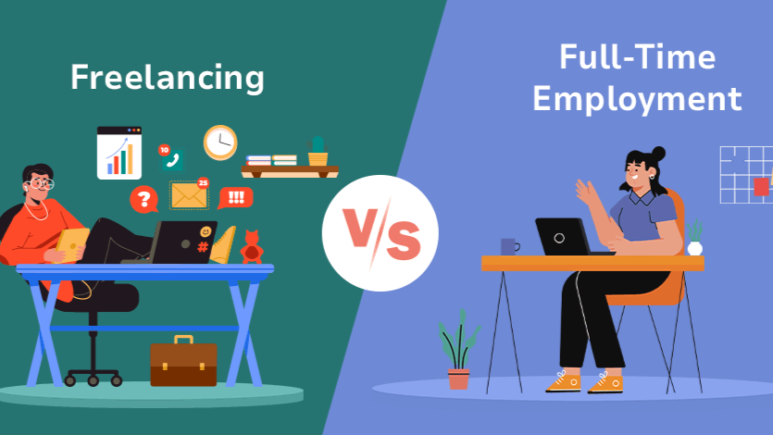
Freelancing vs Full-Time Jobs: Which Career Path Is Right for You?
Choosing between freelancing and a full-time job has become one of the most important career decisions in today’s job market. With remote work on the rise and companies hiring globally, workers now have more options than ever before.
This article compares freelancing vs full-time employment, highlighting the pros, cons, income potential, and lifestyle differences to help you decide which path suits you best.
What Is a Full-Time Job?
A full-time job usually means working for one employer with a fixed schedule and a stable monthly salary. Employees often receive benefits such as health insurance, paid time off, and retirement plans.
Common features of full-time jobs:
- Fixed working hours
- Stable income
- Long-term contracts
- Employee benefits
- Clear career structure
What Is Freelancing?
Freelancing involves working independently and offering services to multiple clients on a project basis. Freelancers are self-employed and manage their own schedules, rates, and workload.
Common features of freelancing:
- Flexible working hours
- Multiple clients
- Project-based income
- Remote work opportunities
- Full control over workload
Income Comparison: Freelancing vs Full-Time Work
Full-Time Jobs
- Predictable monthly salary
- Lower financial risk
- Limited earning ceiling
Freelancing
- Income may vary month to month
- Higher earning potential
- Ability to increase rates over time
While freelancing can be less stable at first, many experienced freelancers eventually earn more than traditional employees.
Work-Life Balance
Full-Time Employment
- Fixed schedule
- Limited flexibility
- Paid vacation but restricted time off
Freelancing
- Work from anywhere
- Choose your own schedule
- Easier to balance personal life
However, freelancers must manage time carefully to avoid burnout.
Job Security and Stability
- Full-time jobs offer more security and predictable income
- Freelancing depends on skills, reputation, and client demand
Building long-term client relationships helps freelancers improve stability.
Skill Development and Career Growth
Full-Time Jobs
- Structured training
- Promotions and job titles
- Company-sponsored learning
Freelancing
- Faster skill growth through diverse projects
- Exposure to different industries
- Strong personal brand development
Freelancers often gain broader experience in a shorter time.
Which Option Is Better for Beginners?
For beginners:
- Full-time jobs are better for stability and learning basics
- Freelancing is better for flexibility and independence
Many professionals start with a full-time job and transition into freelancing later.
Can You Do Both?
Yes. Many people:
- Freelance part-time while working full-time
- Use freelancing as a side income
- Transition gradually into full-time freelancing
This hybrid approach reduces risk while building experience.
The Future of Work
The future of work is moving toward:
- Remote jobs
- Contract-based hiring
- Global talent marketplaces
- Freelance and gig economy growth
Both freelancing and full-time work will continue to coexist.
Final Thoughts
There is no one-size-fits-all answer when choosing between freelancing and full-time employment. The right choice depends on your:
- Financial needs
- Personality
- Career goals
- Risk tolerance
Freelancing offers freedom and high potential, while full-time jobs provide stability and structure. Understanding both paths allows you to make an informed decision.
تعليقات الزوار ( 0 )